
John 10:1-10
1 “Very truly, I tell you, anyone who does not enter the sheepfold by the gate but climbs in by another way is a thief and a bandit. 2 The one who enters by the gate is the shepherd of the sheep. 3 The gatekeeper opens the gate for him, and the sheep hear his voice. He calls his own sheep by name and leads them out. 4 When he has brought out all his own, he goes ahead of them, and the sheep follow him because they know his voice. 5 They will not follow a stranger, but they will run from him because they do not know the voice of strangers.” 6 Jesus used this figure of speech with them, but they did not understand what he was saying to them. 7 So again Jesus said to them, “Very truly, I tell you, I am the gate for the sheep. 8 All who came before me are thieves and bandits; but the sheep did not listen to them. 9 I am the gate. Whoever enters by me will be saved, and will come in and go out and find pasture. 10 The thief comes only to steal and kill and destroy. I came that they may have life, and have it abundantly.
The Lord is my Shepherd
This Sunday, the Gospel invites us to reflect upon the shepherd's prerogatives, His lambs, their reciprocated interrelations, and the fruits of this mutual trust.
Jesus addresses His teaching to the countryside people in Galilee, using their daily experience to deliver His message. In the early morning, a shepherd would come to his sheepfold, open the gate, inspect his flock, and lead them out with a calm voice to fertile pastures with fresh water that he chose for them. He cares for them to be satisfied with food and water and may offer them some time of rest for digestion as he would play the flute for them to enjoy their rest.
In the case of a lost sheep, a good shepherd would leave the whole folk and do his best to find the lost one. If it was alive, he would rejoice deeply. Before sunset, tired but happy, he brings them back to their pen, sometimes carrying a newborn lamb or a fragile one on his shoulders.
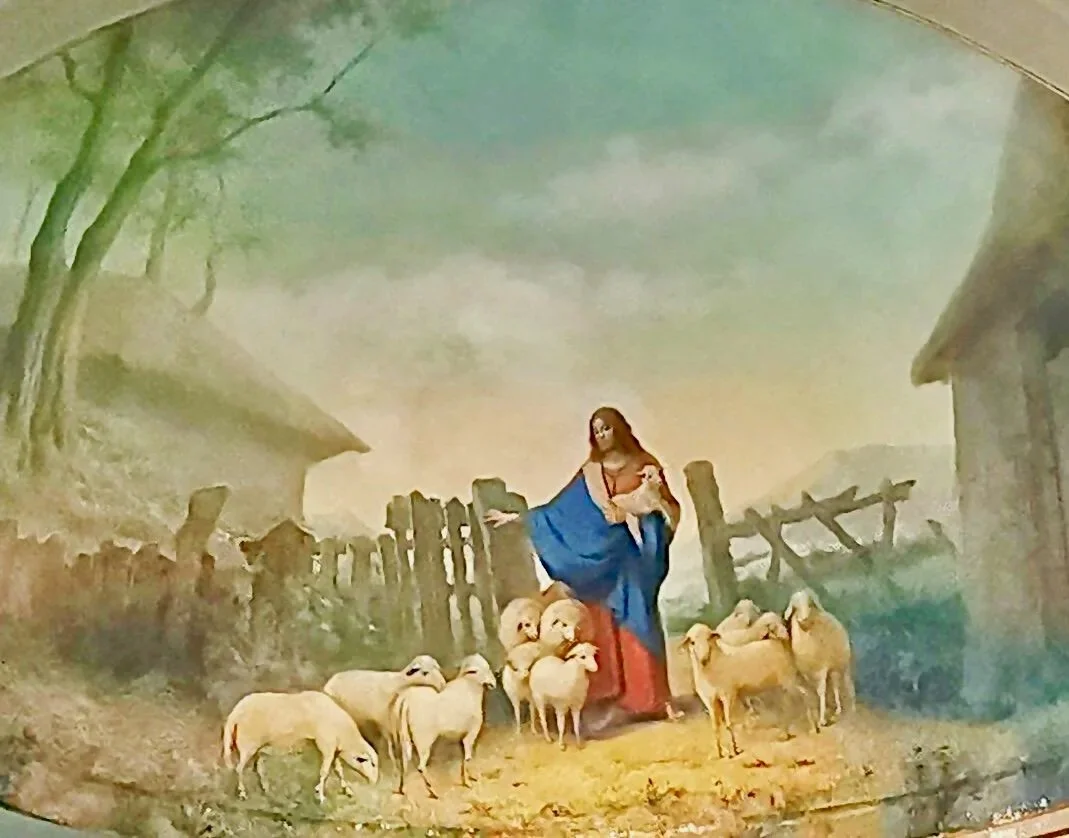
Jesus describes Himself as this good shepherd who is ready to protect His sheep against wolves, even at the expense of His own safety, because He is the owner of the flock and not a hired one. Moreover, He presents Himself as the door through which those who have the right to enter may do so.
The people who listen to Jesus have already heard about many shepherds from the Old Testament-- Abel, Abraham, Jacob's sons, Moses, and may fully understand what He speaks about. On the other hand, the sheep, one by one, know His voice, trust Him and follow His instructions. We are invited to consider the interrelation between this Shepherd and His lambs that's built upon love, trust, obedience and well-being.
What fruit comes out of this intimate reciprocity? -- a full and abundant life that the lambs can enjoy. This is what we are offered by this Good Shepherd, not just survival, but a full, abundant Life.
Let us pray for our Church shepherds today that they will be like this Shepherd. May we, as Church members, be like the lambs He describes. "The Lord is my shepherd; I shall not want" (Psalm 23:1).